


Premium
Focused door treatment for a more solid, controlled cabin feel.
- Front and rear doors as applicable
- Panel vibration damping
- Door cavity acoustic treatment
- Door-card rattle control
- Speaker-area treatment where suitable
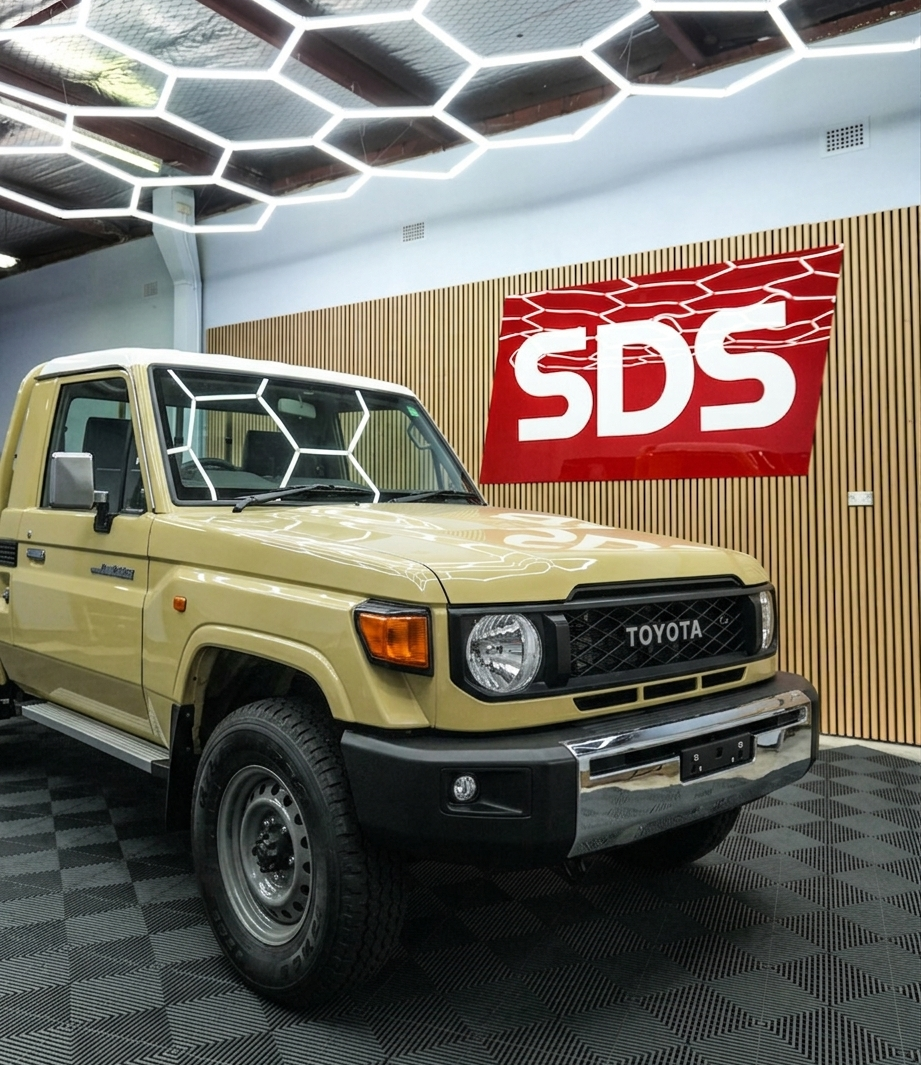
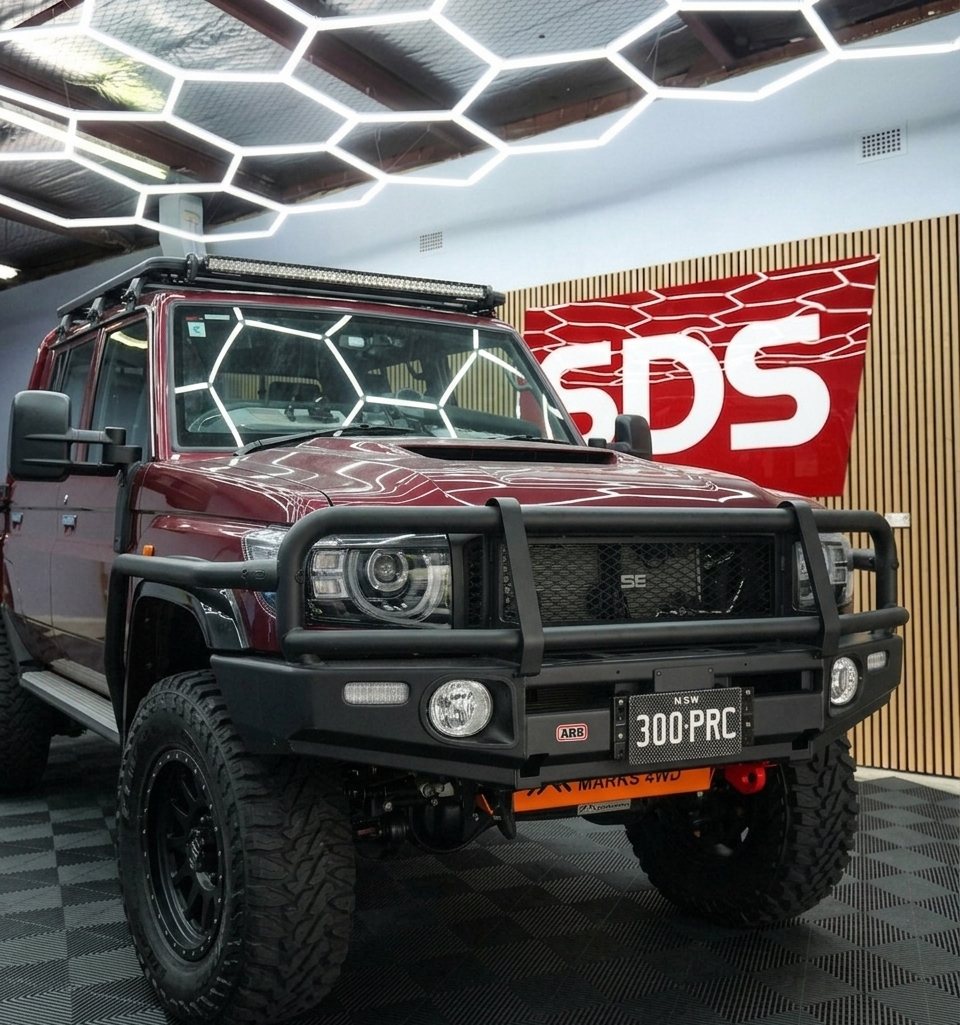
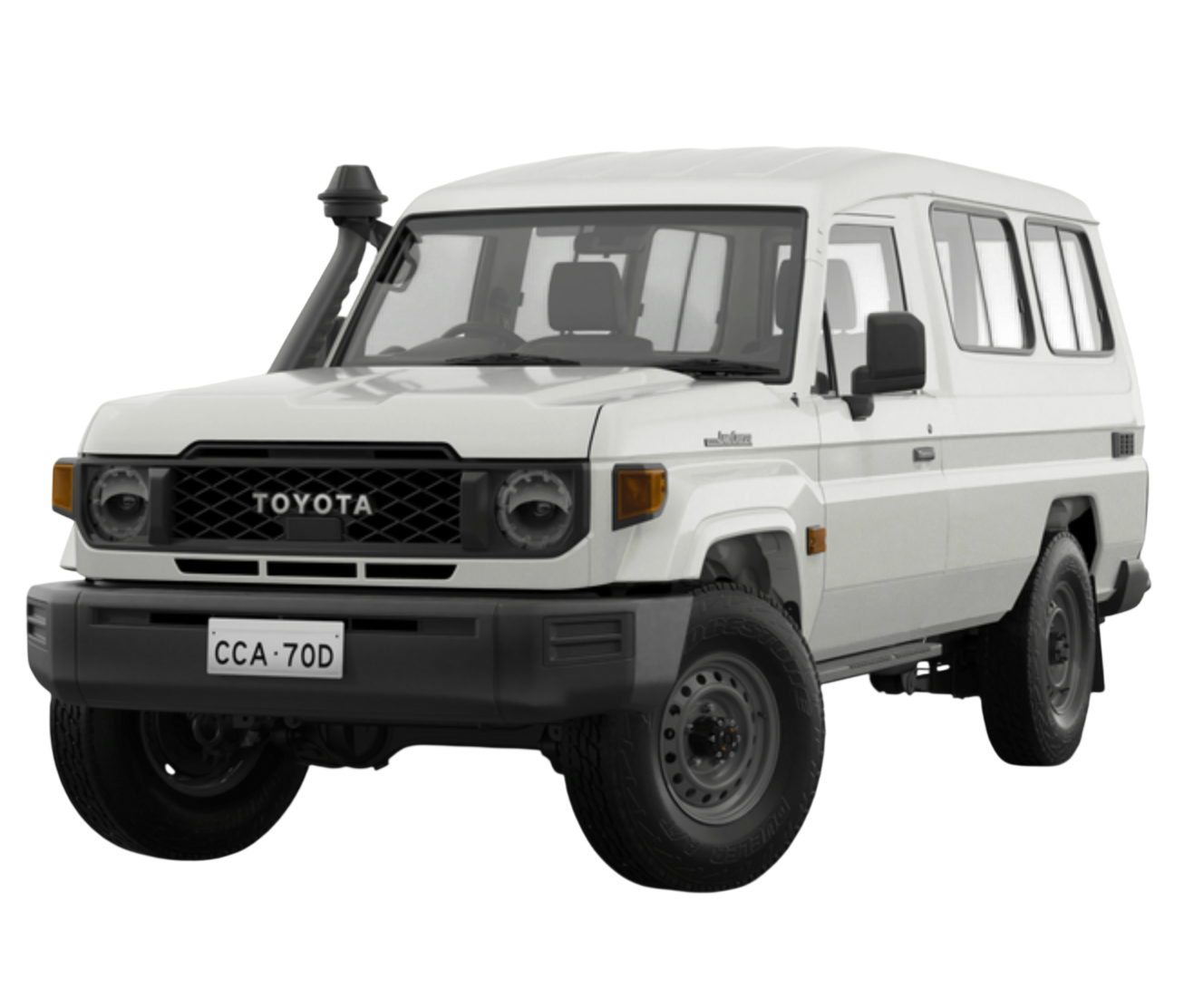
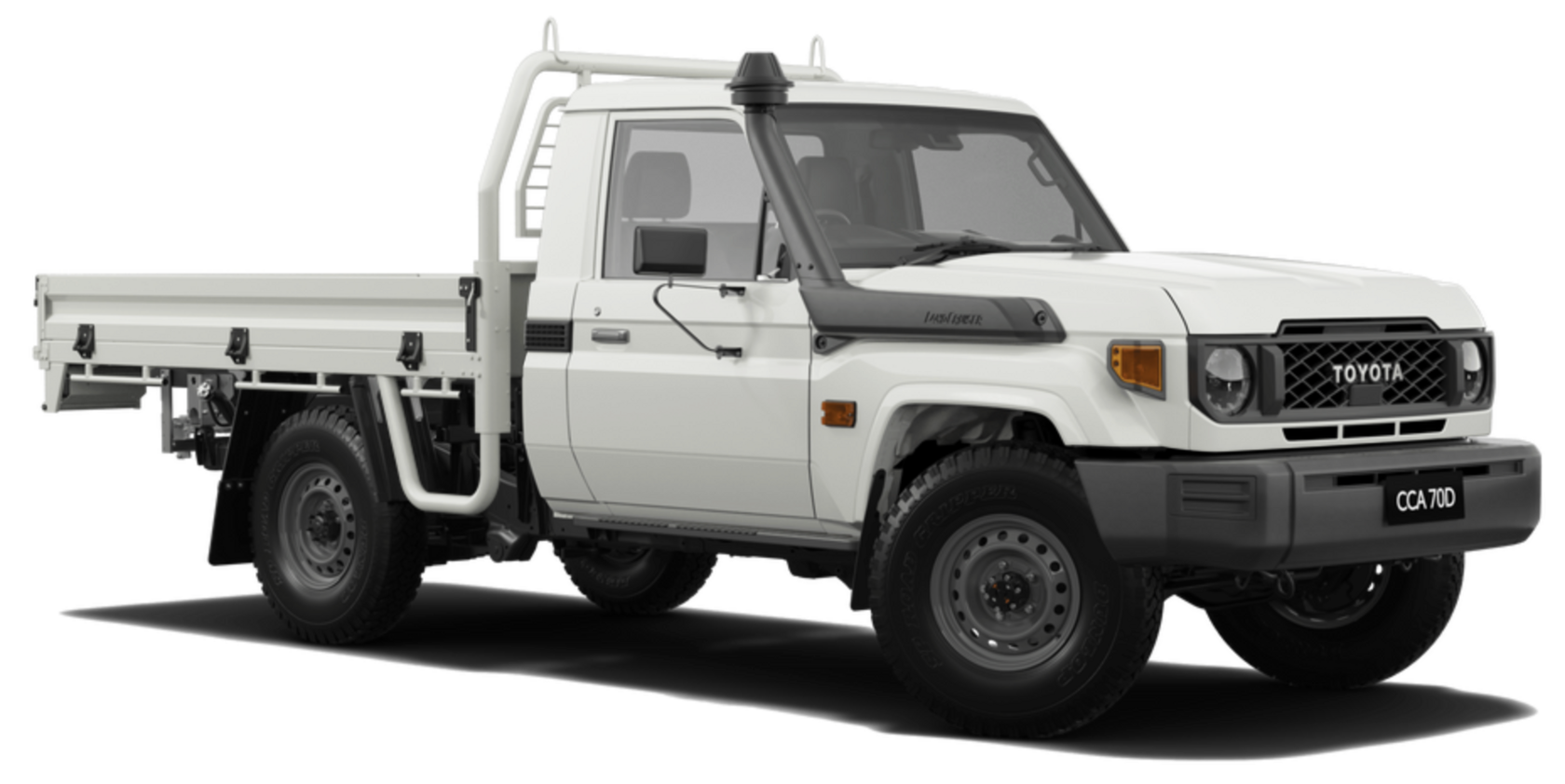
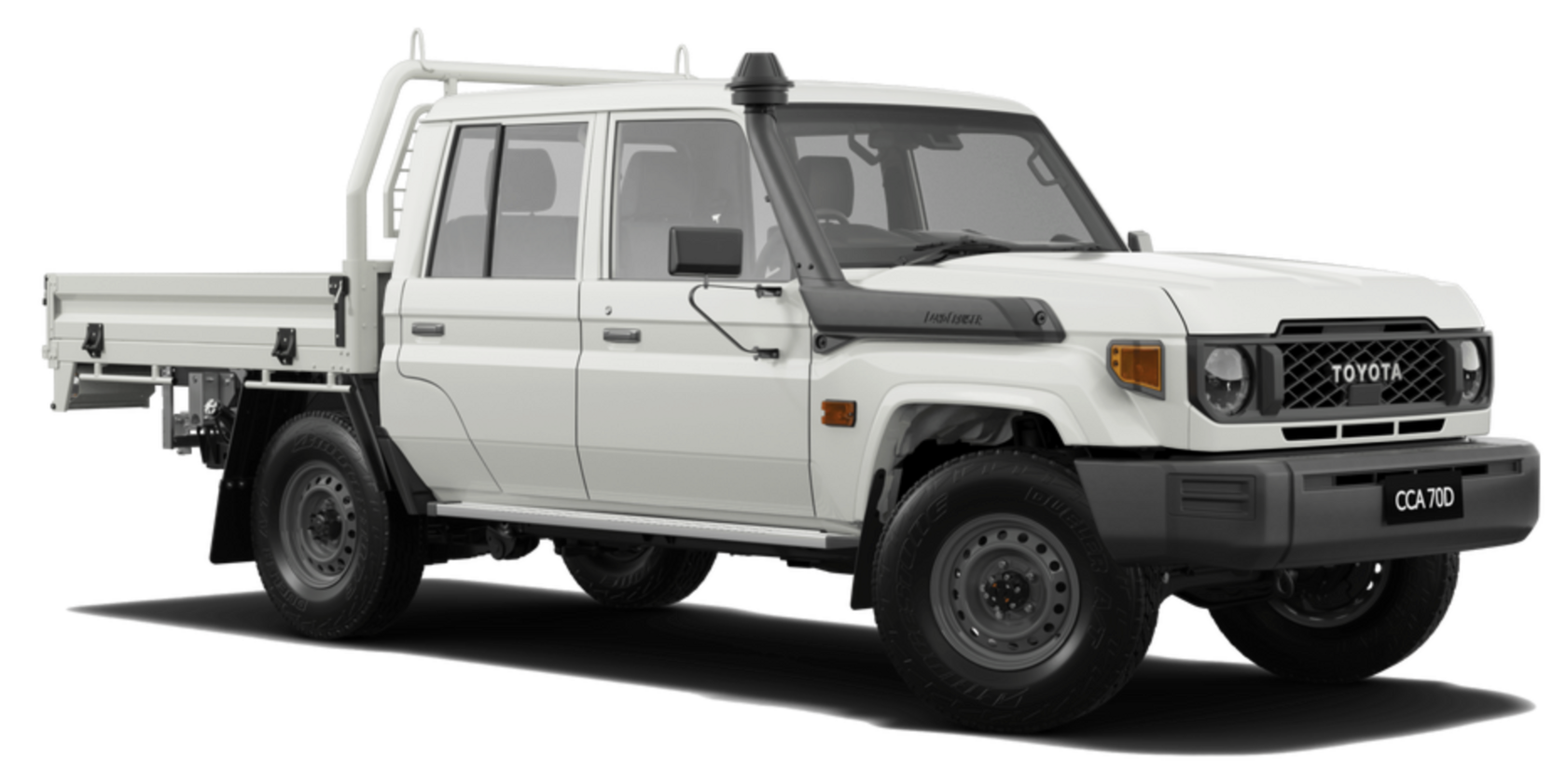
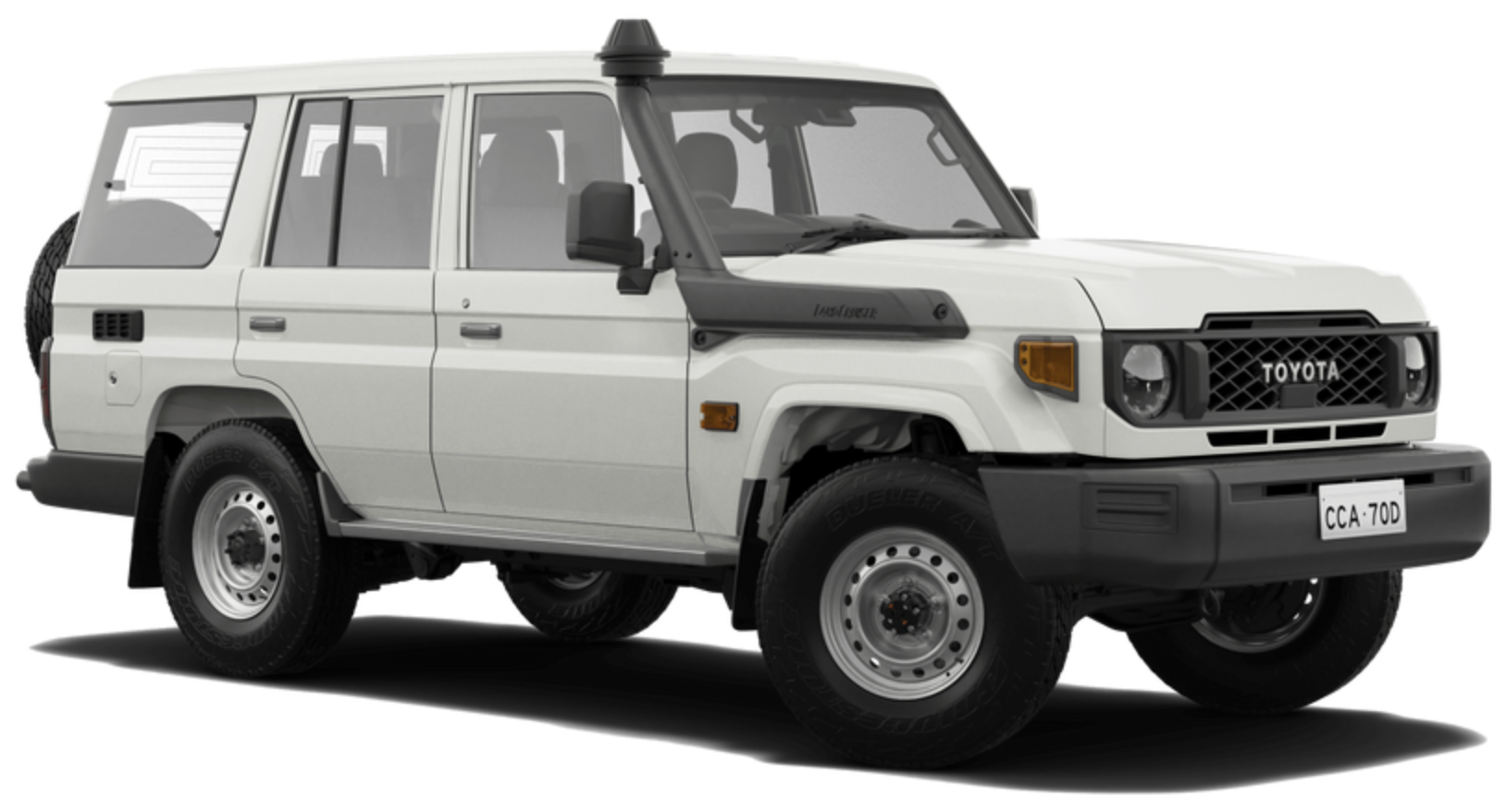
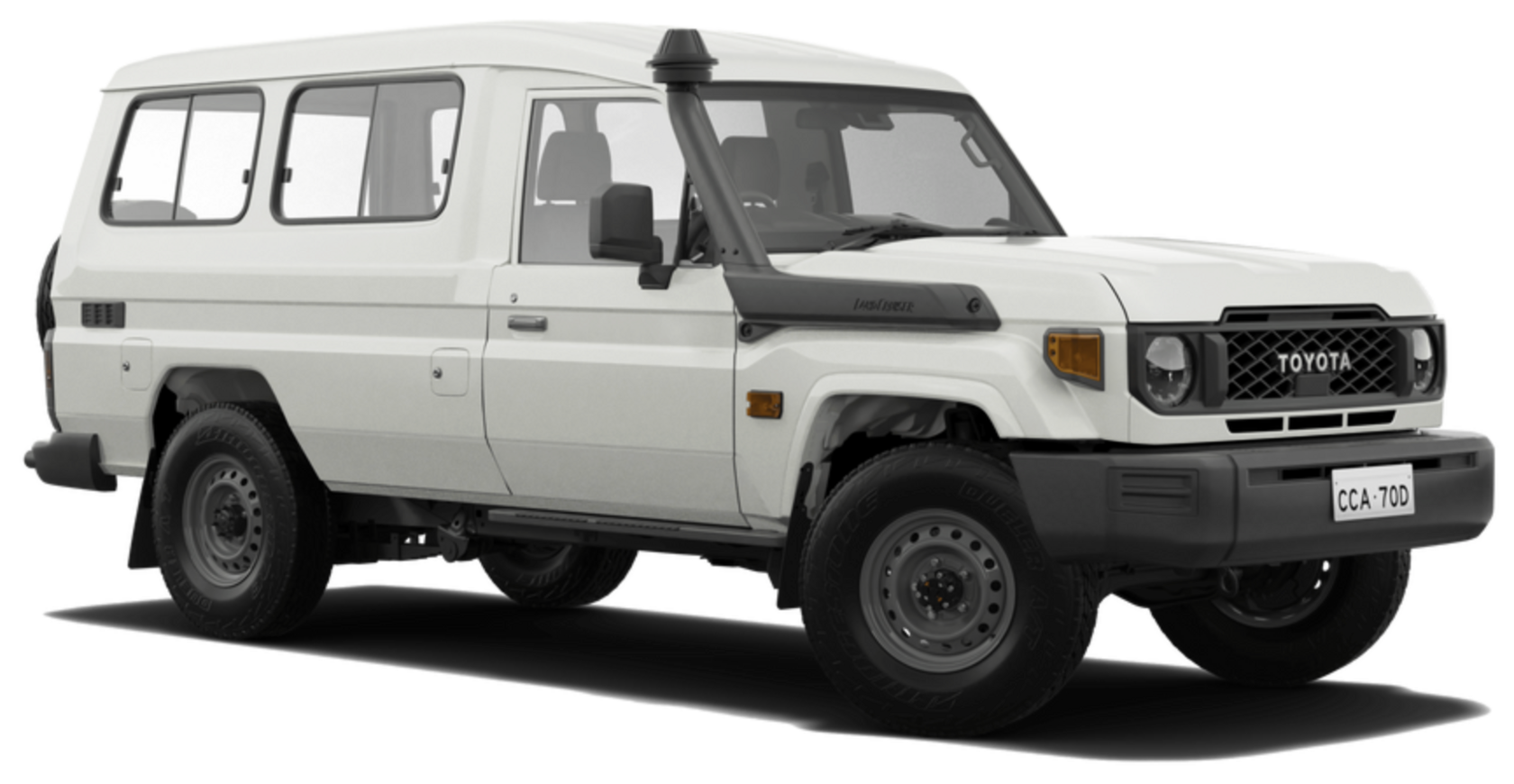
Purpose-built acoustic treatment for the 76 Wagon, 78 Troop Carrier, 79 Single Cab and 79 Double Cab — targeting road roar, tyre noise, panel resonance, engine and firewall noise.
Each body shape has different panel areas, cabin volumes and rear-body structures, so the treatment plan is adjusted to the vehicle rather than copied from a generic car package.

Focus on floor, rear side panels, wheel arches, roof and door resonance.

Compact cabin with strong firewall, floor, transmission and rear-cab panel noise paths.

Large rear body area benefits from targeted roof, floor and long side-panel treatment.

Balanced treatment across front and rear doors, floor, roof and rear cab wall.
No generic one-size-fits-all pricing. Vehicle condition, body style and selected areas are checked before the final quote.
Focused door treatment for a more solid, controlled cabin feel.
Doors plus roof treatment for a quieter cabin and better thermal comfort.
The core cabin package for owners who want a major change in everyday noise.
Built around your 70 Series, tyres, accessories, touring setup and the noise that bothers you most.
Replace each placeholder URL below with your own Tilda-hosted project photo. The layout automatically crops and scales it cleanly on desktop and mobile.
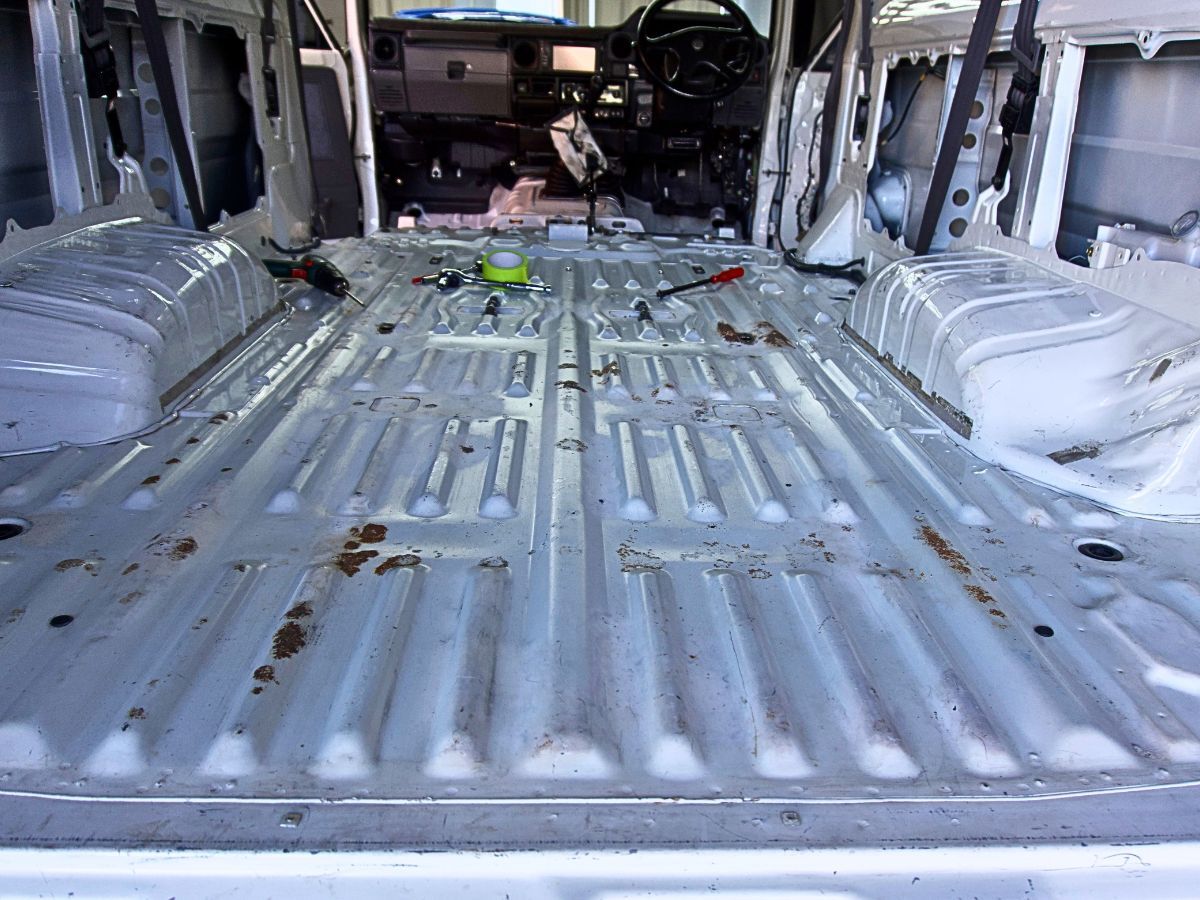
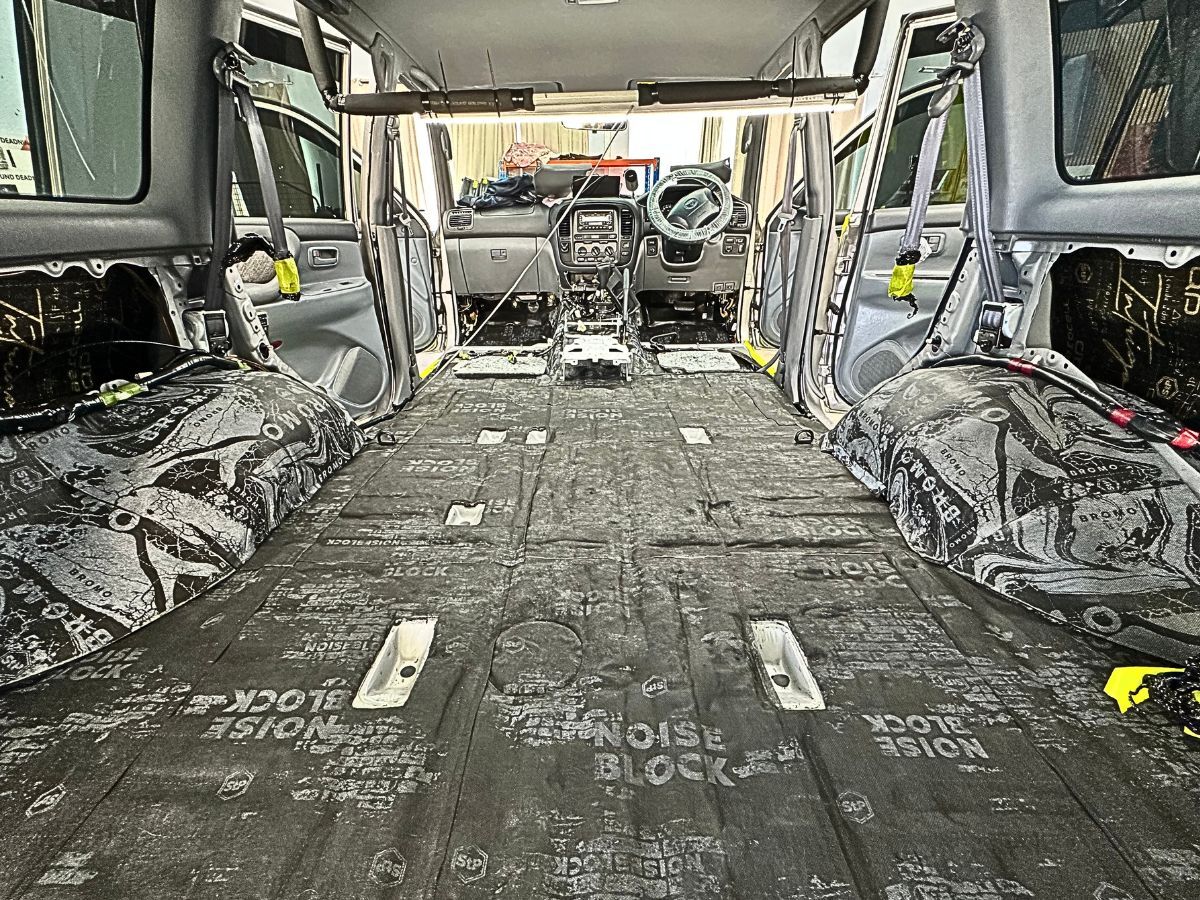
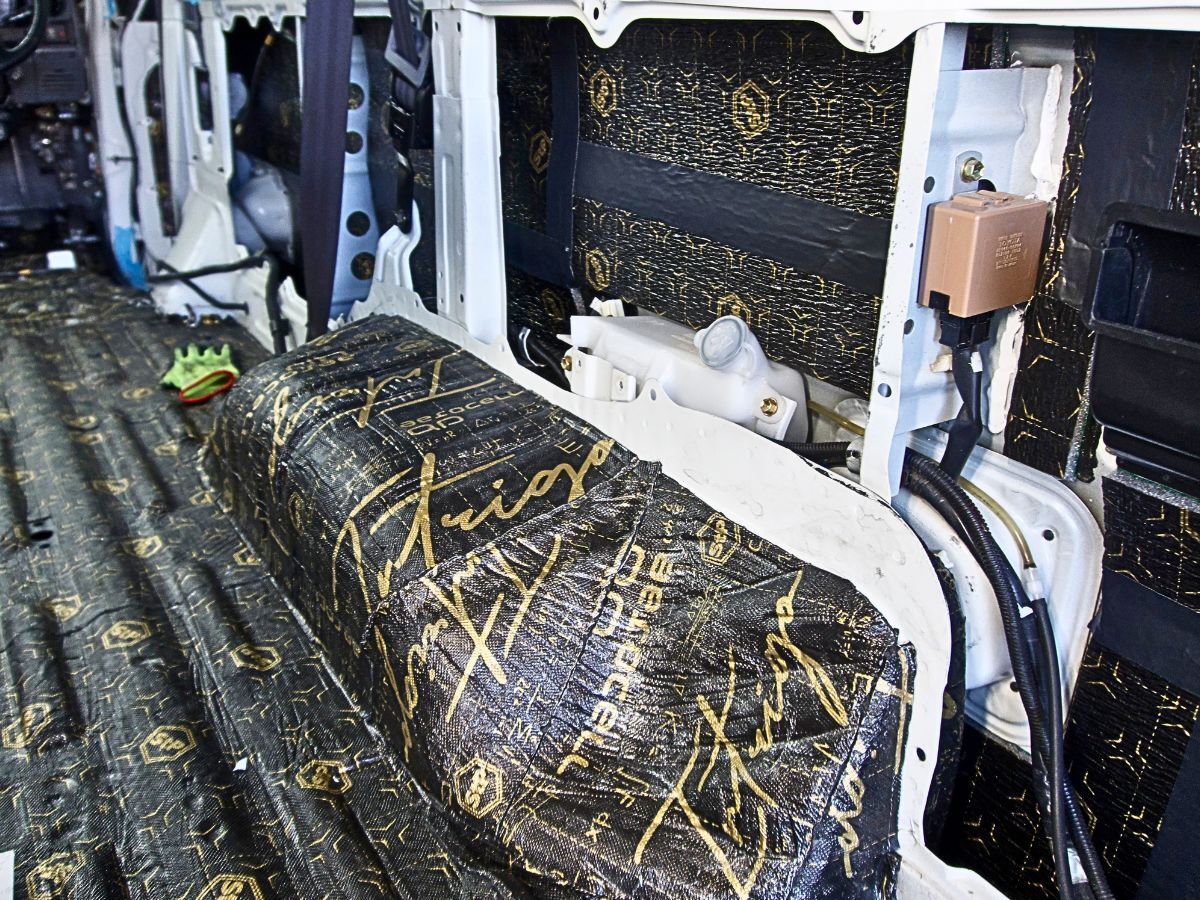
Seats, trims, carpet and the required interior panels are carefully removed to expose the metal structure and create access for treatment.
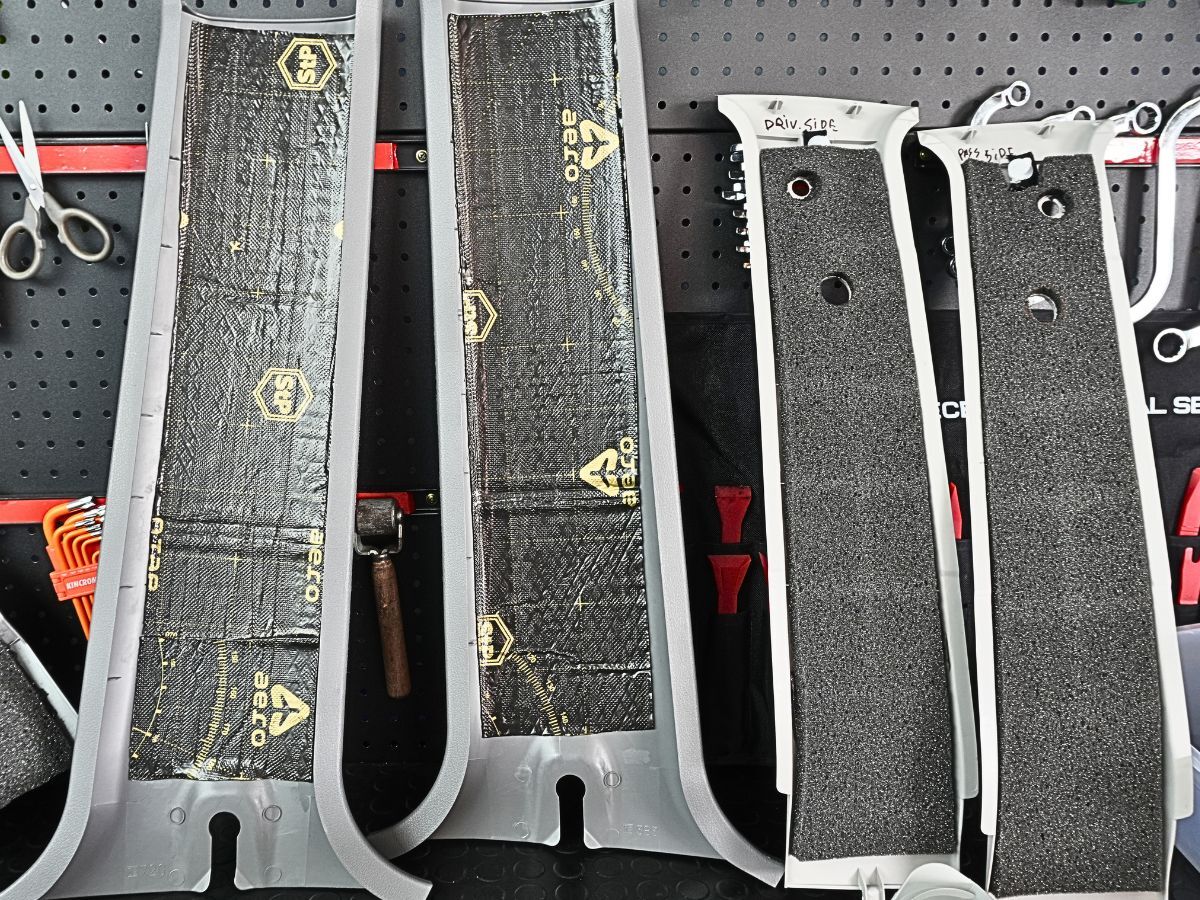
We inspect large resonant panels, thin body sections, wheel-arch zones, firewall paths, cavities and trim contact points before choosing materials.
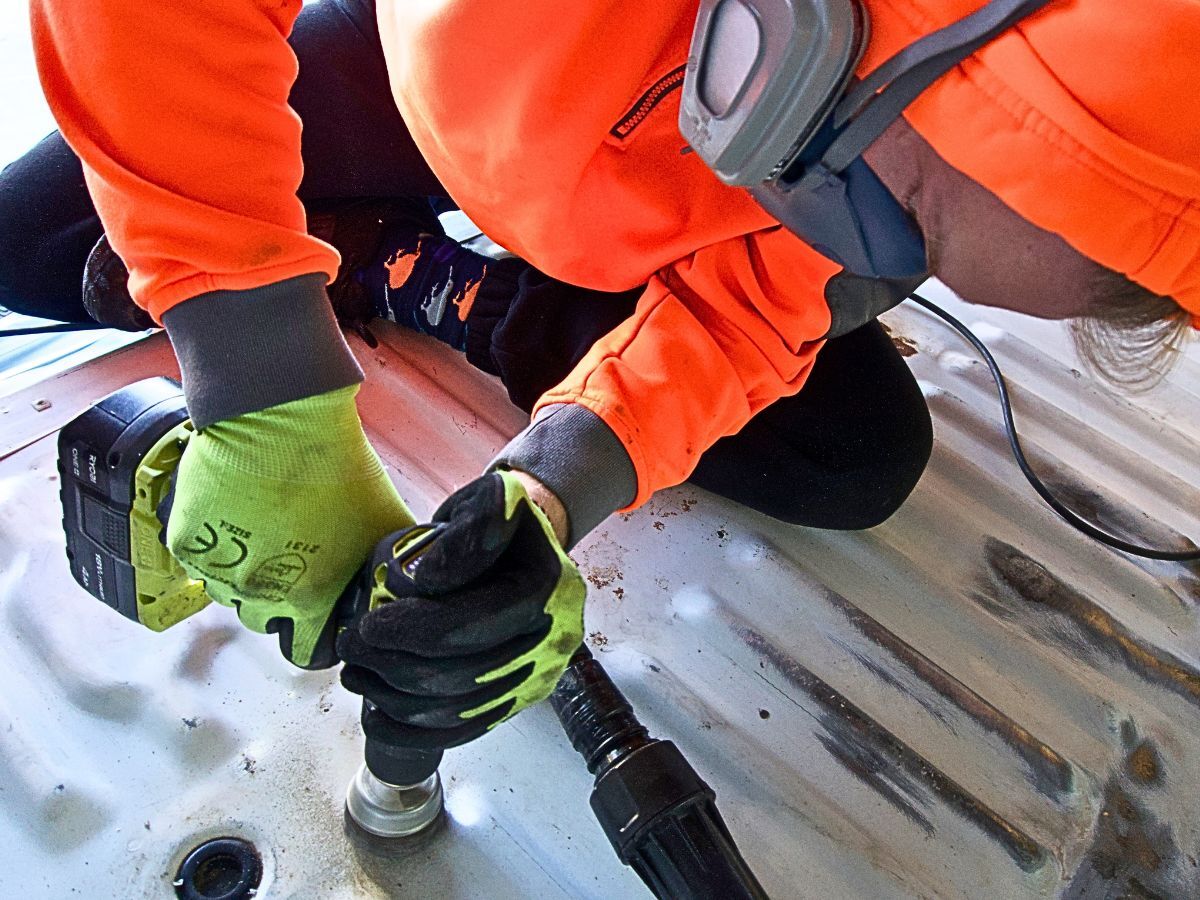
Where old factory material prevents the planned installation or is no longer suitable, it can be removed. Dry-ice removal is used only when appropriate for the substrate and job.
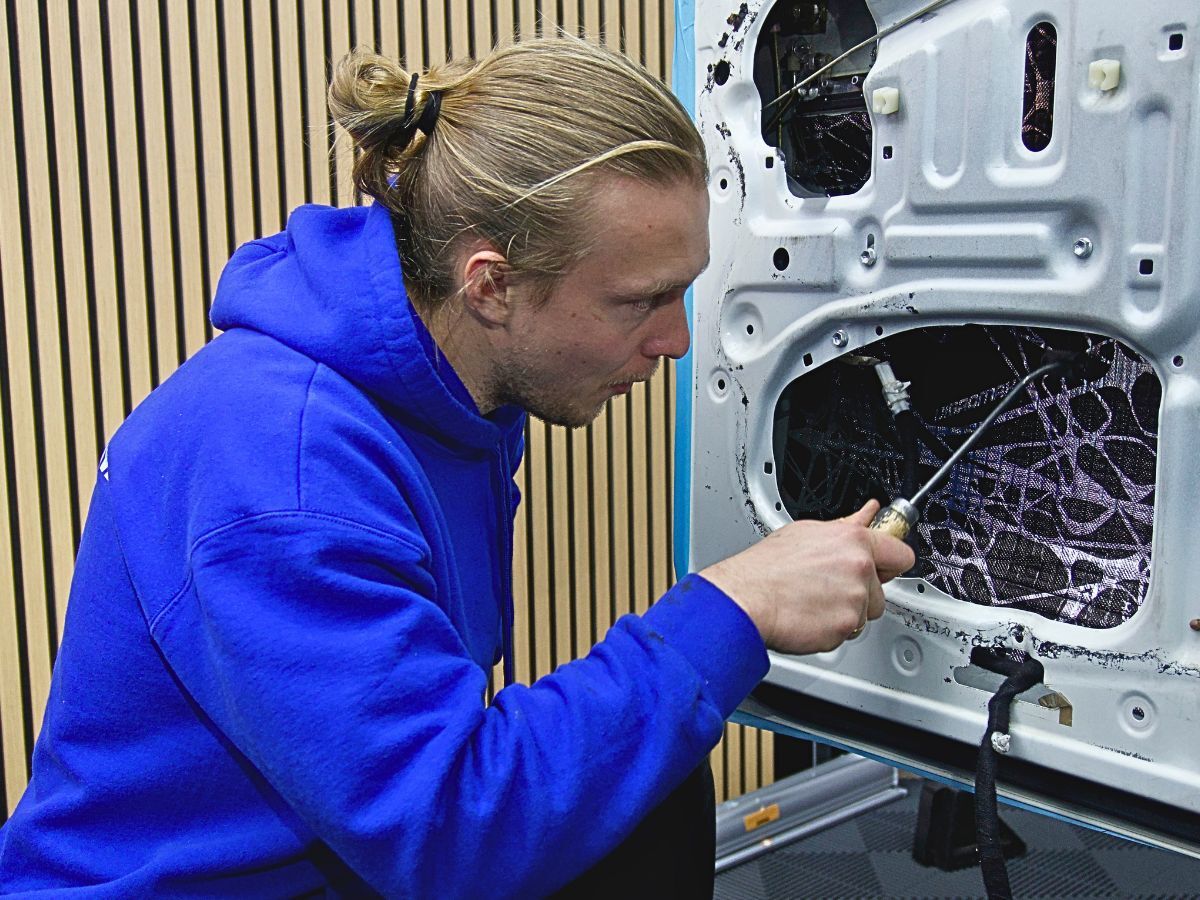
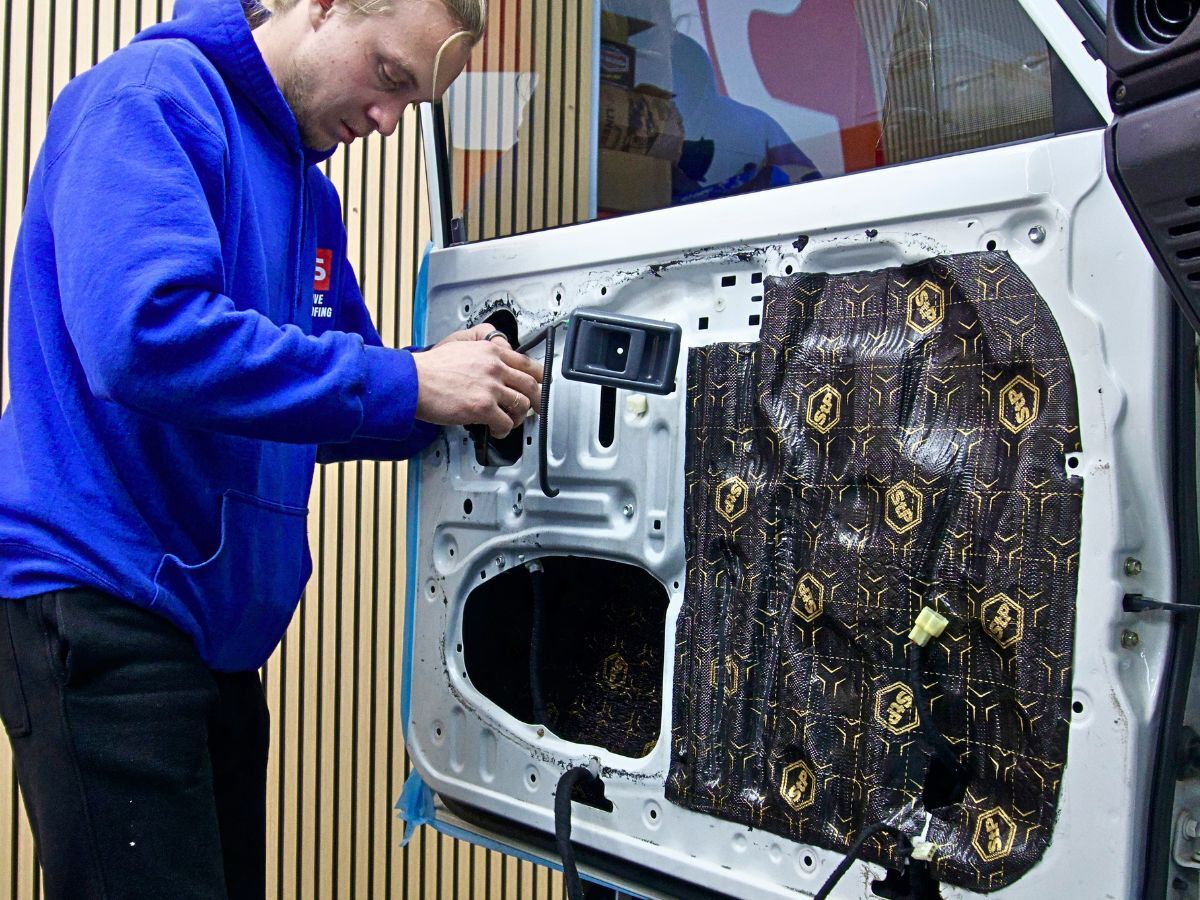
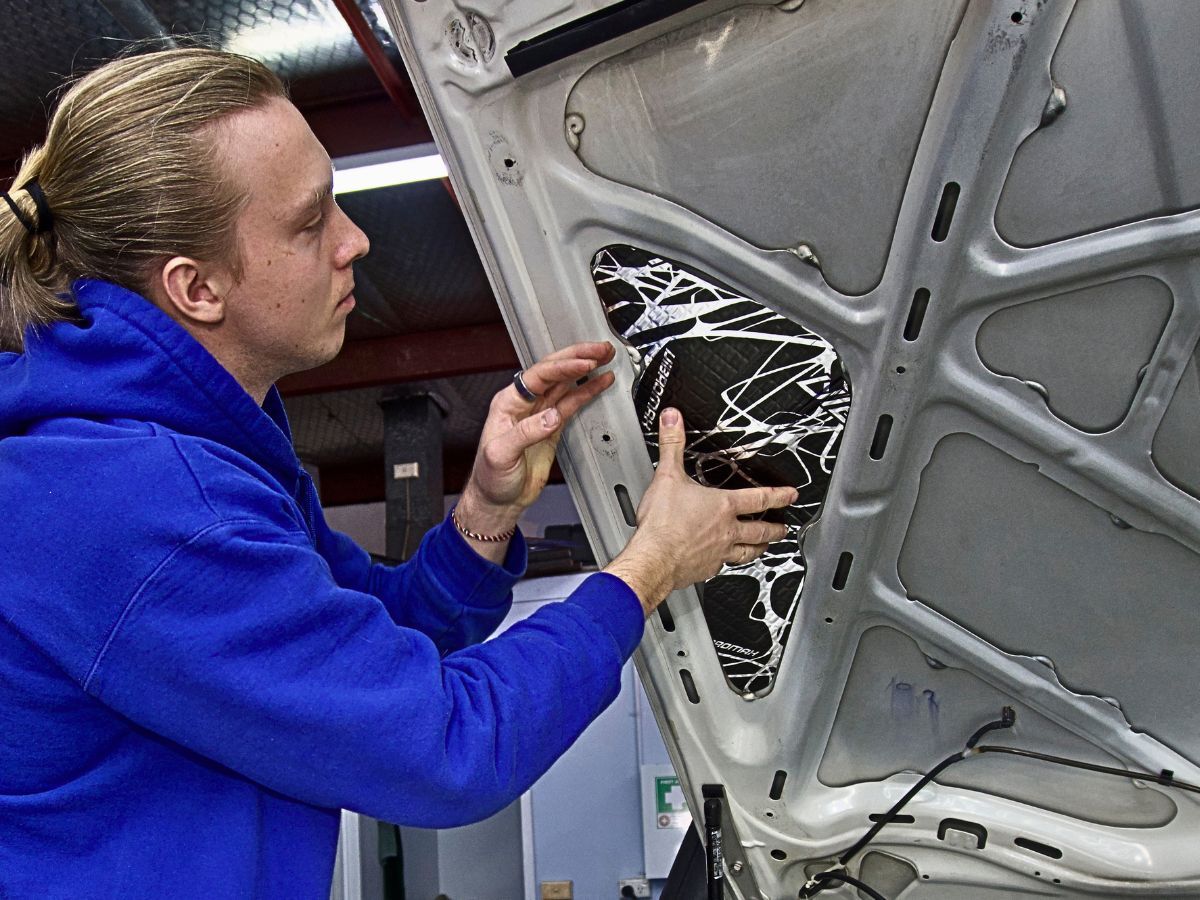
Door skins and inner structures are treated to reduce panel vibration, cavity noise and trim rattles while preserving drainage and service access.
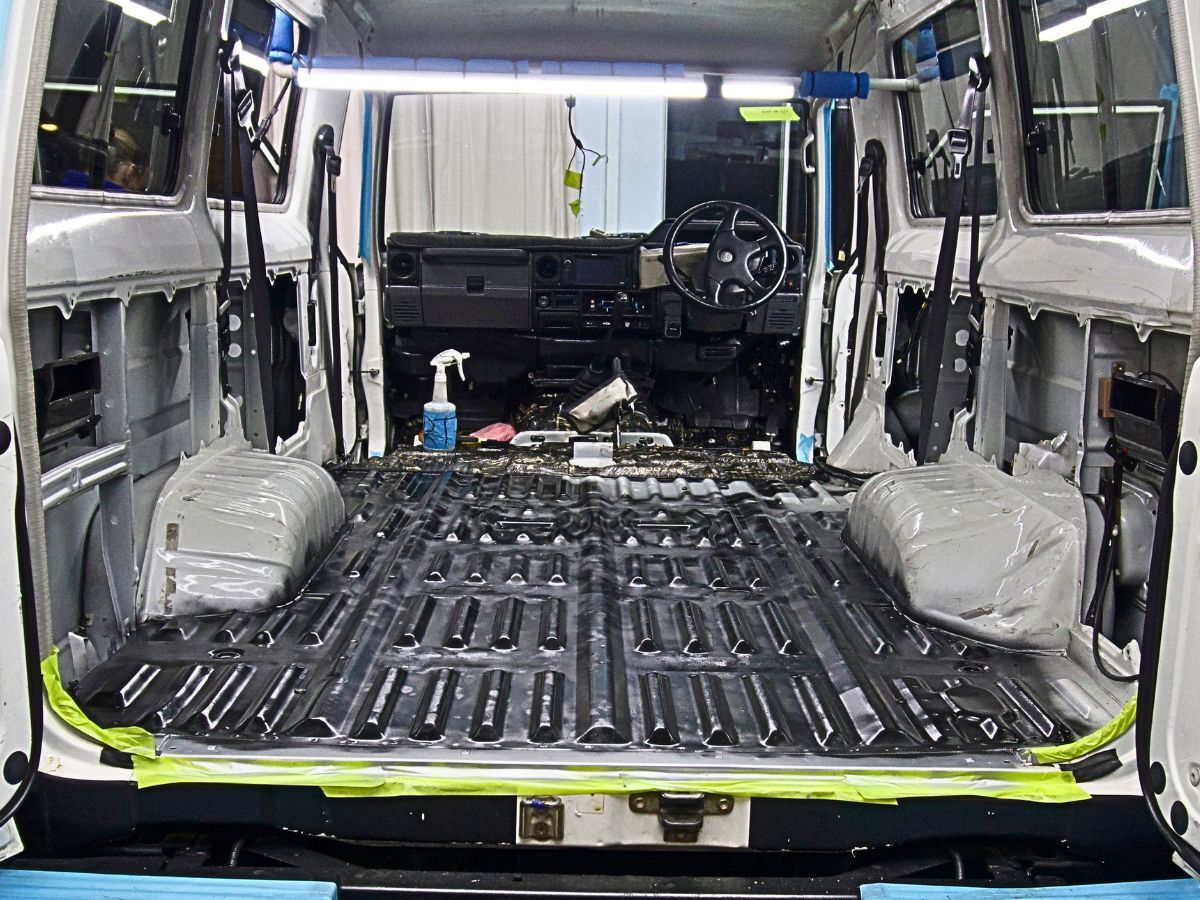
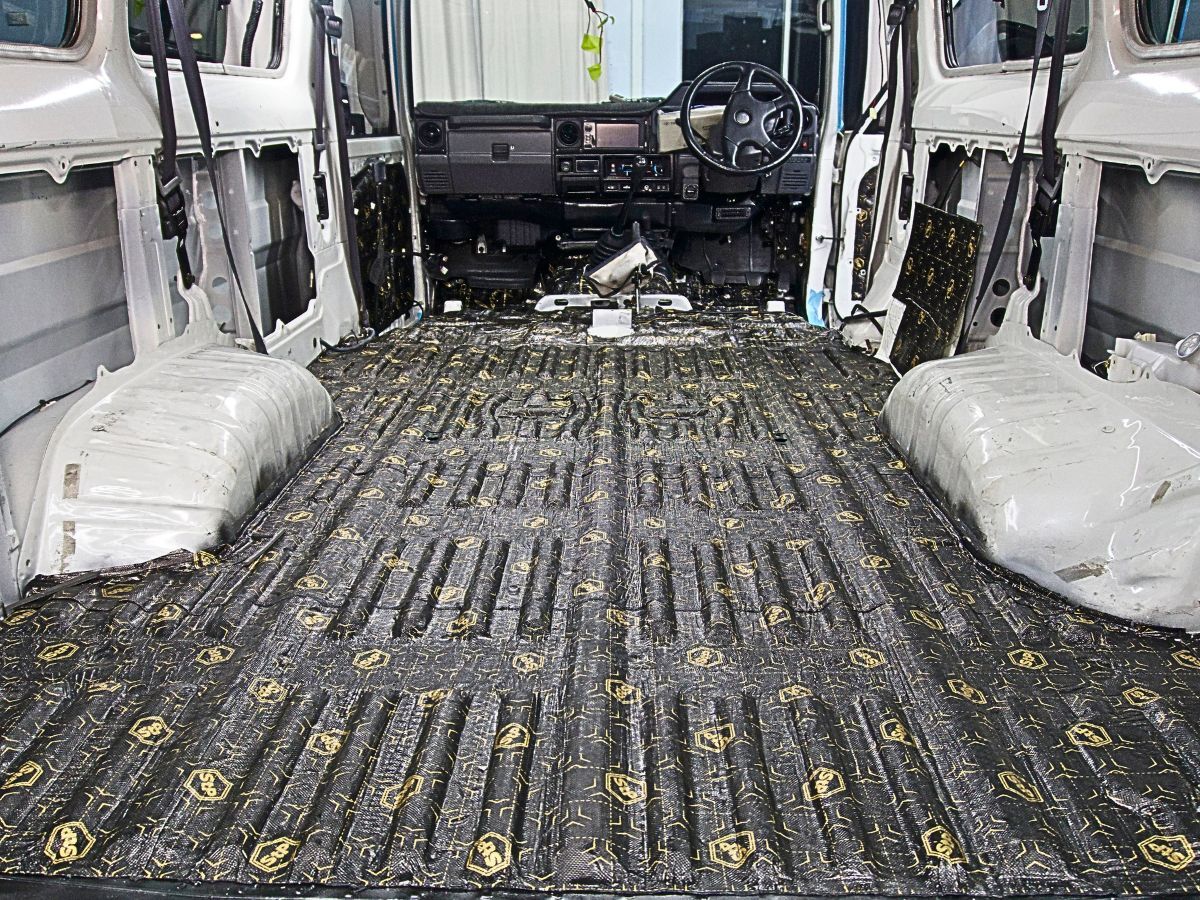
The floor and transmission-tunnel zones are treated with a layered approach selected for vibration, airborne noise and available trim clearance.
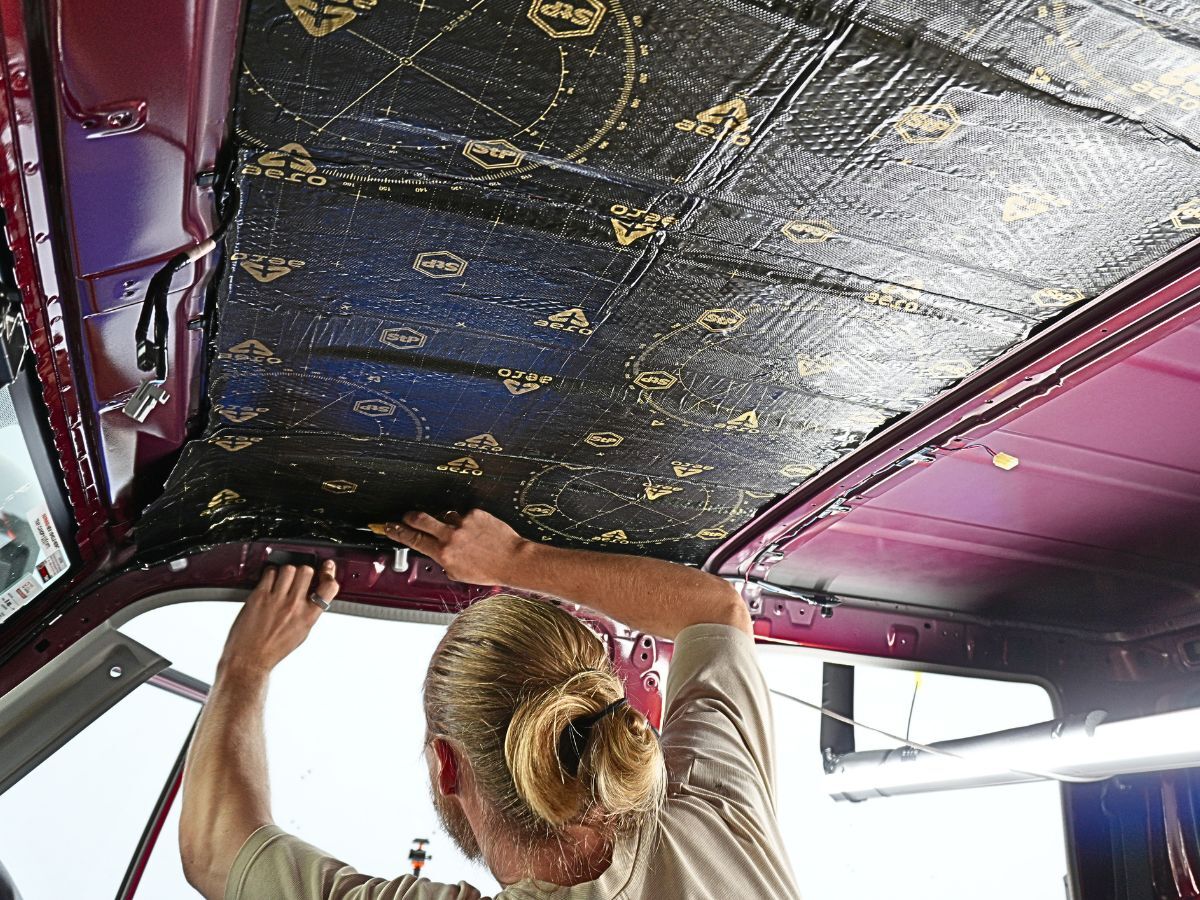
Large roof panels are controlled for resonance, with an additional acoustic / thermal layer selected to fit safely behind the headliner.
Accessible firewall and dashboard zones are targeted to reduce engine, drivetrain and front-cabin noise transmission.
High-energy tyre and road-noise areas are treated from the cabin side where accessible, with material chosen for shape, heat and trim clearance.
Wagon and Troop Carrier rear side panels, and applicable rear-cab sections, are treated to control large resonant body cavities.
This table compares the SDS installed approach with publicly described products from Car Builders, SoundSkins, Dynamat and ResoNix. It avoids invented lab claims and focuses on what each source publicly specifies.
| Feature | SDS Installed System | Car Builders | SoundSkins Pro | Dynamat Xtreme | ResoNix CLD |
|---|---|---|---|---|---|
| 70 Series installation included | ✓ | Material / kits | Material | Material | Material |
| Vehicle-specific multi-zone plan | ✓ | Vehicle packs available | Universal cut-to-size | Universal material | Universal material |
| Butyl + aluminium vibration layer | ✓ | ✓ | ✓ | ✓ | ✓ |
| Integrated acoustic foam in main sheet | Selected by zone | Separate layer | ✓ 3-layer sheet | No | No |
| Dedicated heavy sound barrier available | ✓ where required | ✓ MLV available | Not the Pro sheet itself | Separate product required | Separate product required |
| Published damping metric | Add SDS lab data when available | Loss factor 0.08–0.41 @ 200 Hz | Testing data referenced by manufacturer | 0.417 @ 200 Hz, 20°C | CLF about 0.6 @ 200 Hz |
| Typical CLD thickness | Varies by selected SDS layer | 2.0–2.2 mm | ~4.6 mm total Pro composite | 1.7 mm | 3.15 mm |
| Professional strip-down, refit & rattle check | ✓ | Not inherent to material purchase | Not inherent to material purchase | Not inherent to material purchase | Not inherent to material purchase |
Public-source basis (checked September 2026): Car Builders describes 2.0–2.2 mm butyl/aluminium Stage 1 material, 4 kg/m² MLV and 70 Series vehicle packs; SoundSkins Pro publishes a foam + butyl + aluminium composite; Dynamat Xtreme publishes 1.7 mm thickness and 0.417 loss factor at 200 Hz / 20°C; ResoNix CLD publishes 3.15 mm thickness and approximately 0.6 composite loss factor at 200 Hz. SDS numeric lab values are intentionally not invented — add verified SDS test data later if you want a defensible technical-superiority claim.
Wagon, Single Cab, Troop Carrier and Double Cab. The material layout changes with the body structure and the areas included in your package.
No. A 70 Series remains a 4WD with engine, drivetrain, tyre and wind noise. The goal is to reduce dominant noise paths and panel resonance so the cabin is noticeably more comfortable and easier to talk in.
They are available in an Individual build and are included only where safe access and the planned scope allow it. The final method depends on the vehicle and fitted accessories.
Usually yes, but access and removal time can change the scope. Send photos of the current setup when requesting a quote so the job can be planned correctly.
Vibration damping, absorption, decoupling and sound blocking do different jobs. A roof, door, firewall and wheel arch do not need exactly the same layer stack, so the system is selected by location and available clearance.
We’ll recommend the package and treatment zones that make sense for your 70 Series rather than loading the vehicle with unnecessary material.
GET A QUOTE