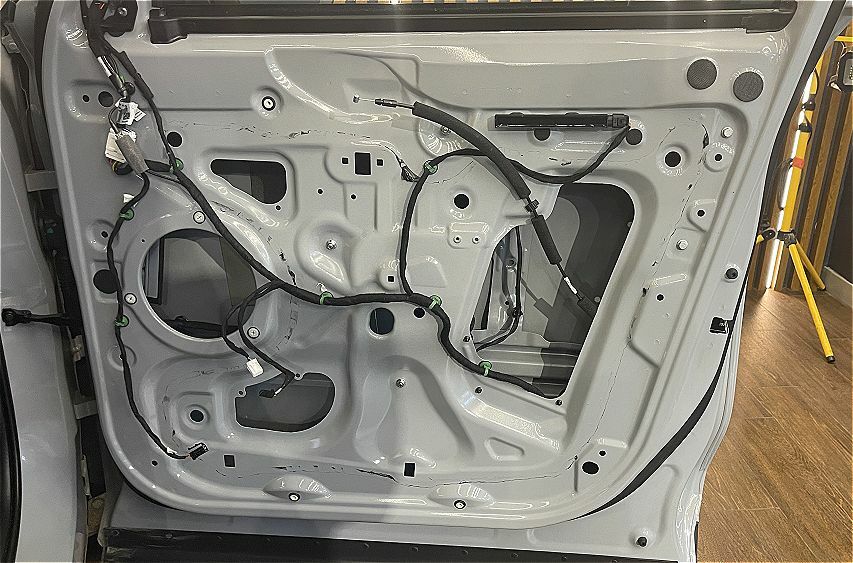
Doors
Factory door panels often provide limited damping. Door sound deadening can reduce road and panel noise while also creating a more controlled enclosure for the speakers.
Reduce road noise, tyre roar, vibration and rattles — and transform your driving experience.
Vehicle noise can come from the drivetrain, engine, tyres, suspension and body panels. Targeted sound deadening focuses on the areas that contribute most to cabin noise.
Factory door panels often provide limited damping. Door sound deadening can reduce road and panel noise while also creating a more controlled enclosure for the speakers.
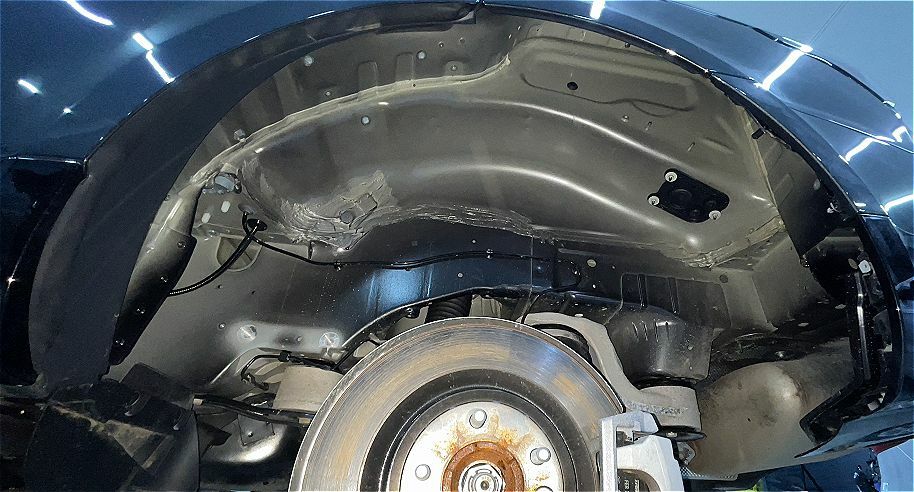
Tyres and suspension transfer strong vibration into the body through the wheel arches. Treating these areas can help reduce tyre roar and road vibration.
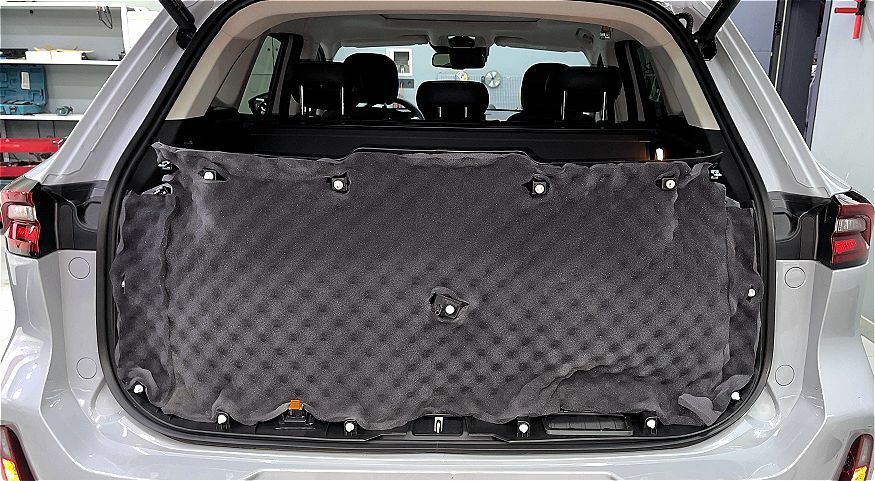
Noise from the rear of the vehicle can travel directly into the cabin. Boot sound deadening helps reduce vibration and road noise from the rear section.
Road and suspension vibration are major sources of cabin noise. Treating the floor can make a noticeable difference, particularly on coarse road surfaces.

Roof insulation can reduce cabin boom at higher speeds and soften the sound of heavy rain hitting the vehicle.

Engine vibration can transfer through the large bonnet panel and contribute to noise and resonance. Bonnet treatment helps damp these panel vibrations.

A well-planned treatment can make the cabin calmer on motorways, coarse roads, gravel and wet roads, while also addressing vibration and interior rattles.
Reducing road, tyre and body vibration can make everyday driving and longer highway trips feel more relaxed.
Damping the doors and surrounding panels can reduce unwanted resonance and provide a more controlled environment for the vehicle's speakers.
Insulating selected areas can help the cabin retain cooling in summer and warmth in winter, depending on the materials and areas treated.
Anti-rattle and sealing materials can address squeaks caused by trim, clips, wiring and panels moving against each other.
Correctly installed damping materials can reduce panel resonance and vibration caused by road and drivetrain inputs.
A targeted treatment can focus on the areas creating the most noise rather than requiring every part of the vehicle to be treated.
Identify the dominant sources of road, tyre, vibration and trim noise before deciding what to treat.
Start with doors or selected areas, or plan a broader treatment for a quieter overall cabin.
Materials and treatment areas are matched to the type of noise and the vehicle's construction.
Examples of documented vehicle treatments. We assess individual cases and the effectiveness of different treatment areas and materials.




Clear answers before you book your vehicle in.
No — the installation approach is designed to be non-invasive and should not affect your vehicle warranty.
Doors can be treated from around 1 day, while complete vehicle soundproofing can take approximately 4–6 days depending on the vehicle and scope of work.
It can be particularly noticeable during highway driving and on coarse road surfaces, where road and tyre noise are more pronounced.
No. Treatment can start with doors or other specific areas based on your noise concerns, vehicle and budget.
Road noise commonly enters through the floor, wheel arches, doors and boot. A targeted combination of vibration damping and acoustic insulation can reduce the vibration and noise reaching the cabin.
Rattles can come from trim panels, clips, wiring or plastic parts rubbing together. The correct approach is to identify the movement, secure the source and use suitable anti-rattle and acoustic materials where needed.
Wind noise can enter around the roof, mirrors and window seals. Damaged seals should be repaired or replaced, while suitable treatment of surrounding panels can help reduce remaining cabin noise.
Tell us about your vehicle and the noise you want to reduce. We will discuss the most suitable treatment areas and next steps.
Request a quote by email